About Ghanche
GHANCHE DISTRICT
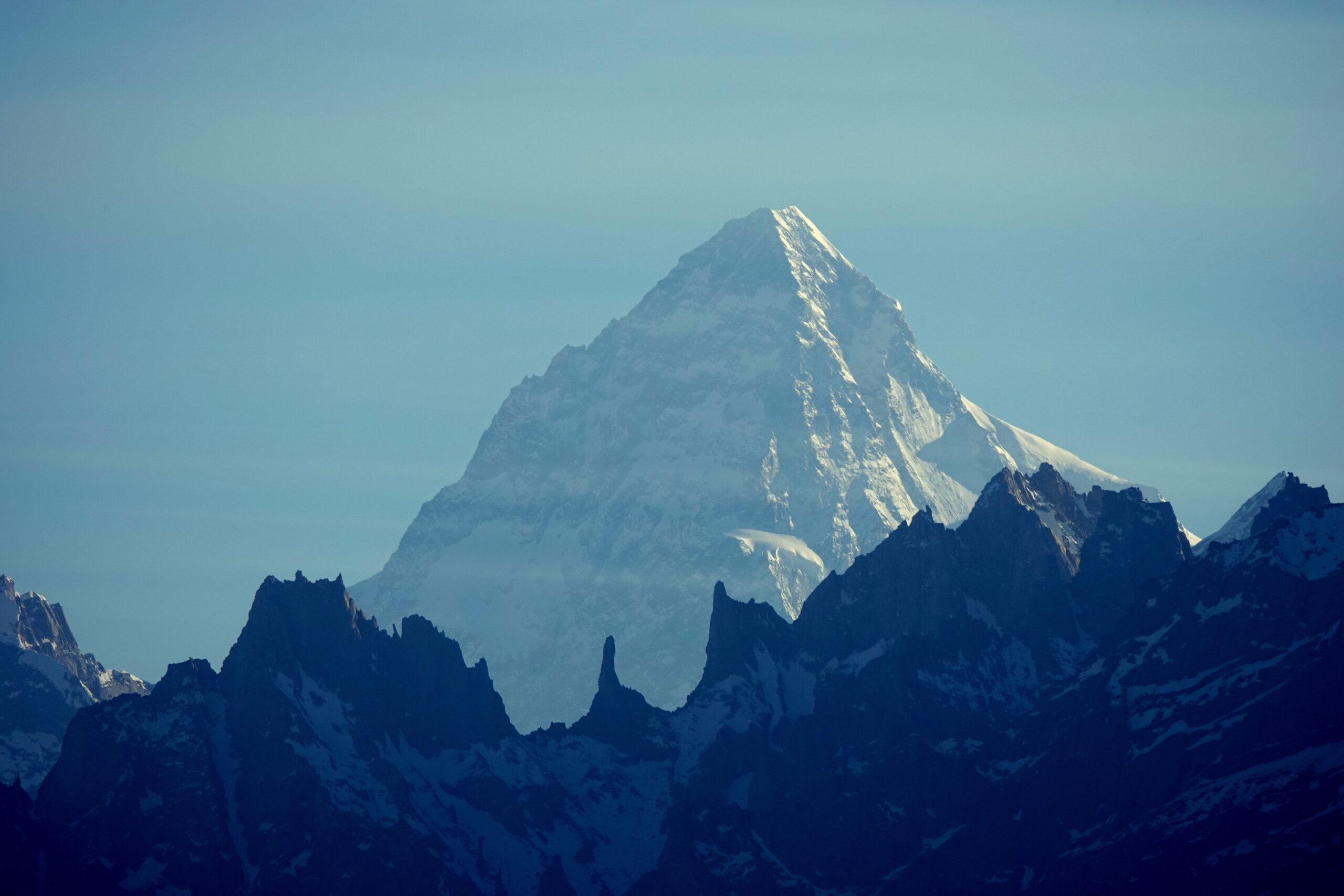
Ghanche is the district of Baltistan at the eastern border of the region. It is a landscape of rocky, mountainous terrain spanning more than 8000 square kilometers. Nestled within the district are small valleys populated around natural mountain streams, with an overall population of around 150,000 denizens. The district contains such key locations as the historical town of Khaplu, the famous Siachen glacier and the ever popular mountaineering heaven of Hushe valley.
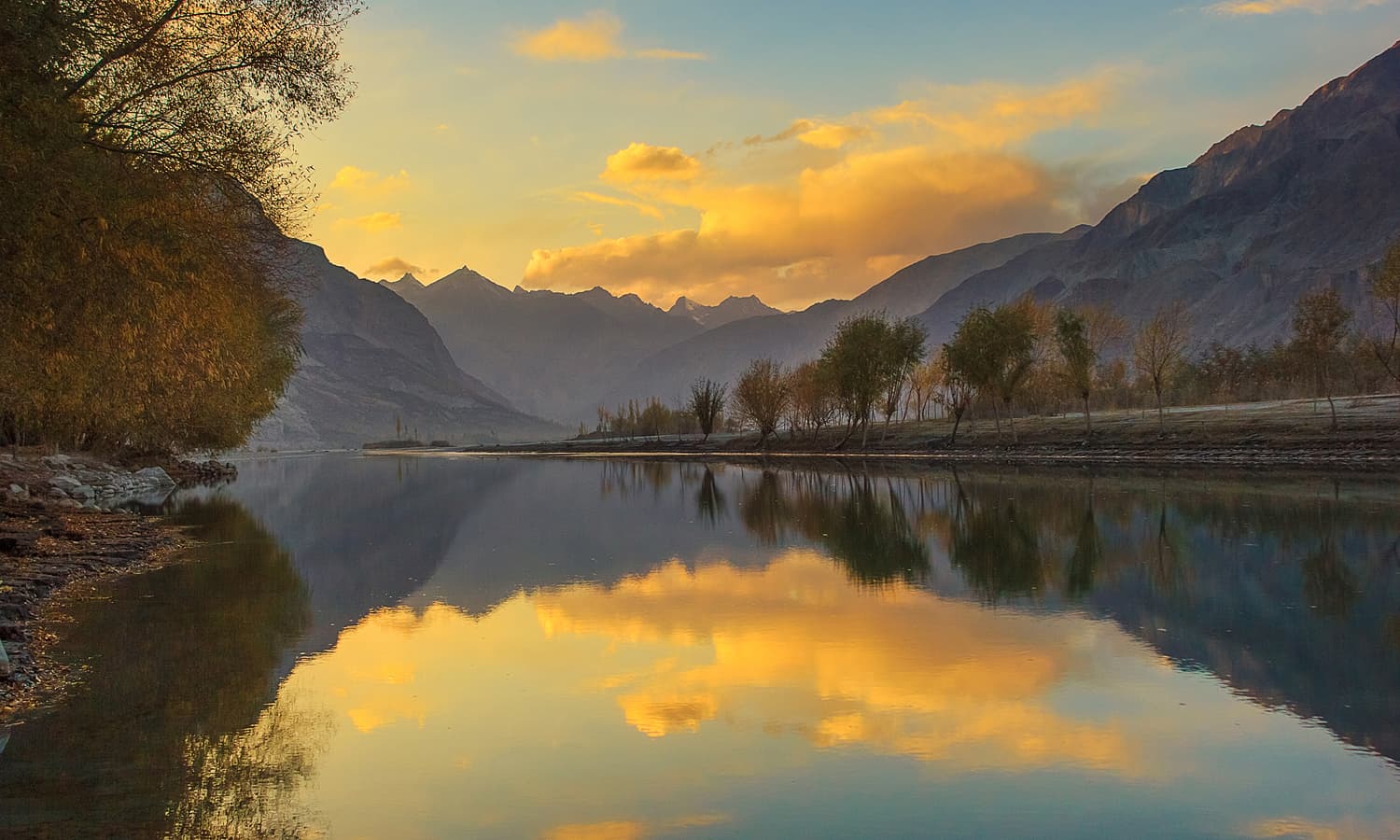
Geography of Ghanche
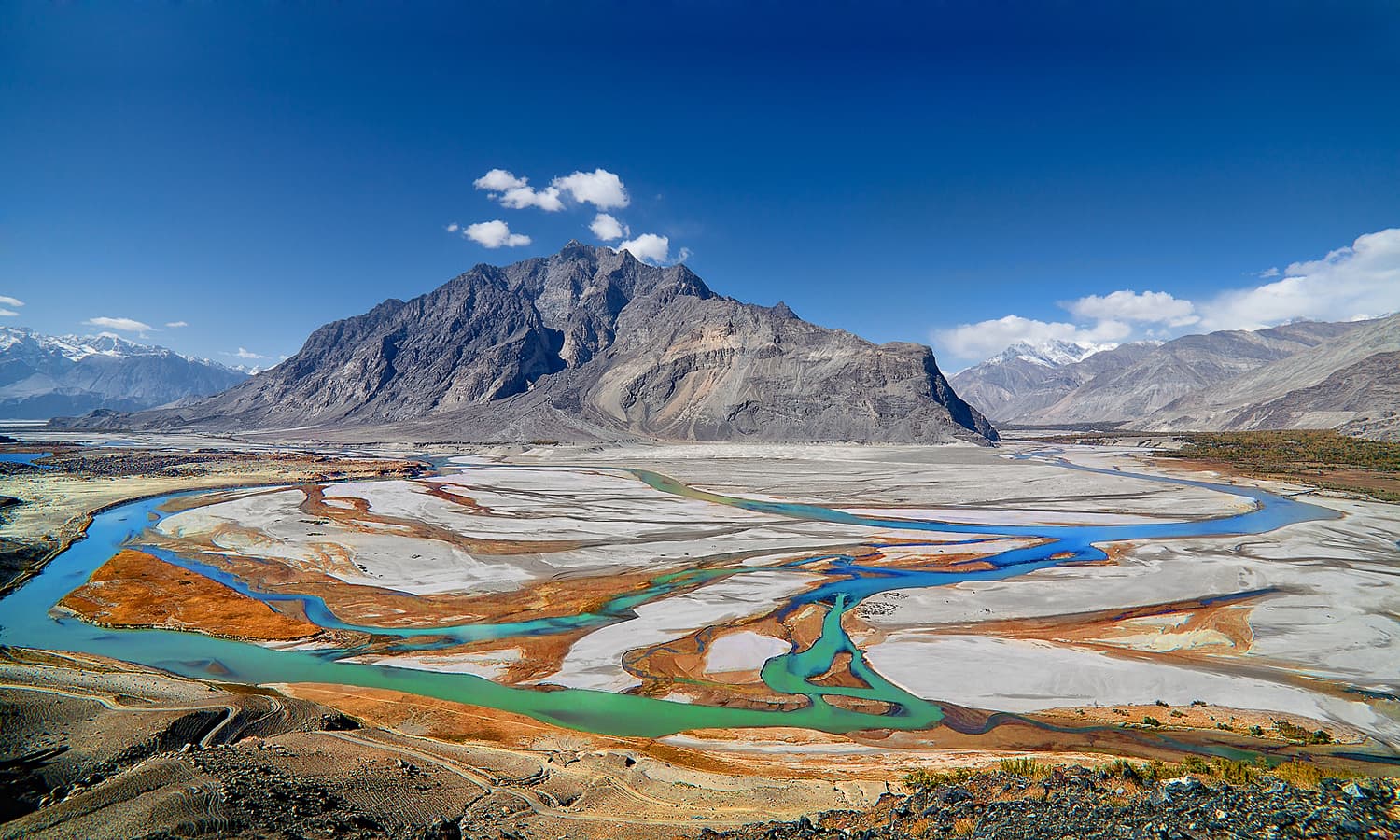
Ghanche, like all districts of Baltistan, is marked by the characteristic rocky mountainous terrain of the Karakorams and the Himalayas. The district is powered by the mighty Shyoke river which originates in Ladakh and eventually merges into the river Indus at the district’s entry point of Choomdo. Various smaller arteries provide water to the Shyoke river, and it is those water streams which power the smaller valleys which give Ghanche its multifarious character. The innumerable valleys of Ghanche house popular towns such as Keris, Ghwari, Khaplu, Thagas, Saling, Machulu, Hushe, Chorbat and so many more. With each town having its own unique character; the district as a whole presents a new look in each season: icy winters, flowery spring, lush green summers and colorful autumn. Come and enjoy the variety that Ghanche has to offer!
HISTORY OF GHANCHE
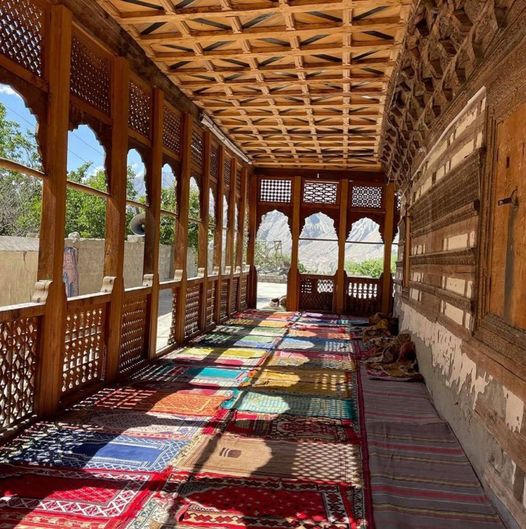
Ghanche District’s history as a district does not go further than the 1970s. However, the area’s known history goes back centuries. It is chronicled that the area, especially the town of Khaplu, was a center of the Tibetan Bon religion. Later on, the area converted to Buddhism. Remnants of the Buddhist past of the area can still be found in ancient rock inscriptions that dot the district. In the 14th century, it was the Sufi Muslim preacher Mir Syed Ali Hamadani who brought Islam to the region. The area is said to have converted to Islam en masse. The historical Chaqchan mosque is said to have been established as a mosque by Mir Syed Ali Hamadani himself. The brand of Islam propagated by the saint shaped into what is today the Noorbakshi Sufism which is practiced by around 95% of the district’s population. This brand of Islam gives its people a sufistic and peace-loving nature that is the characteristic of the area.