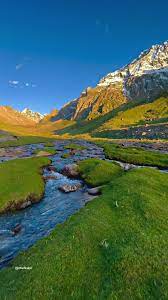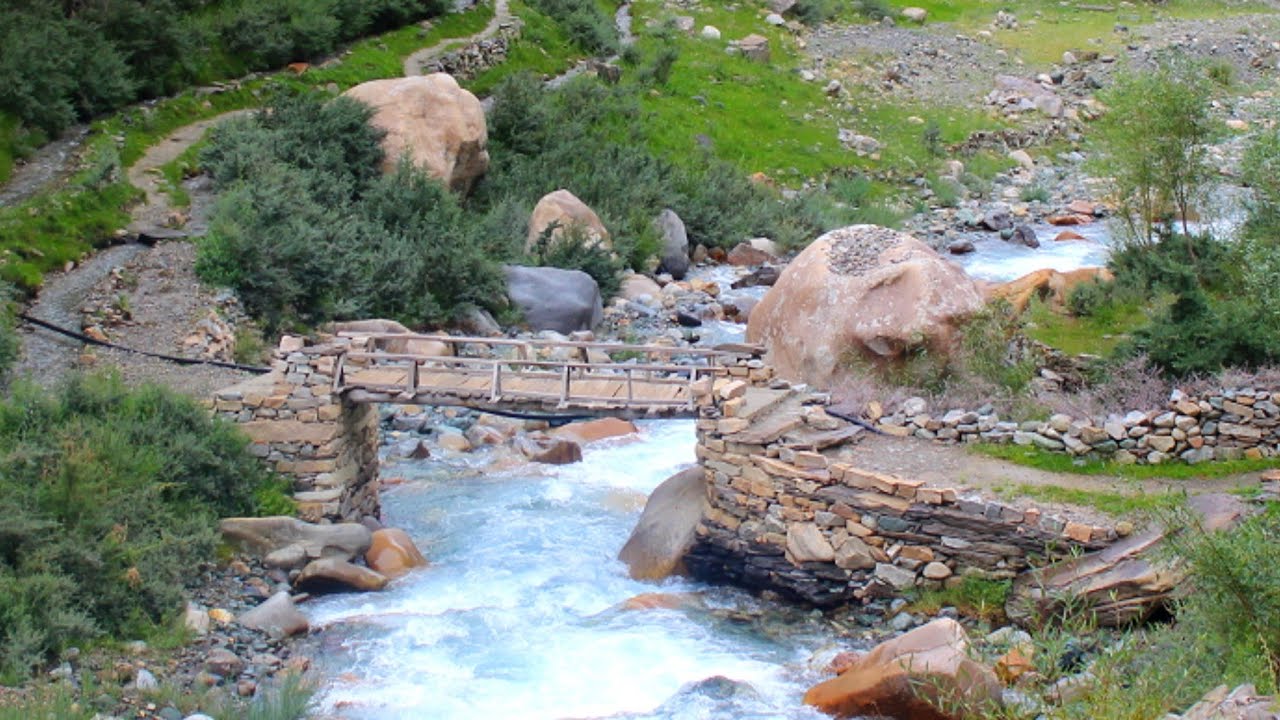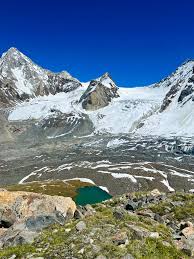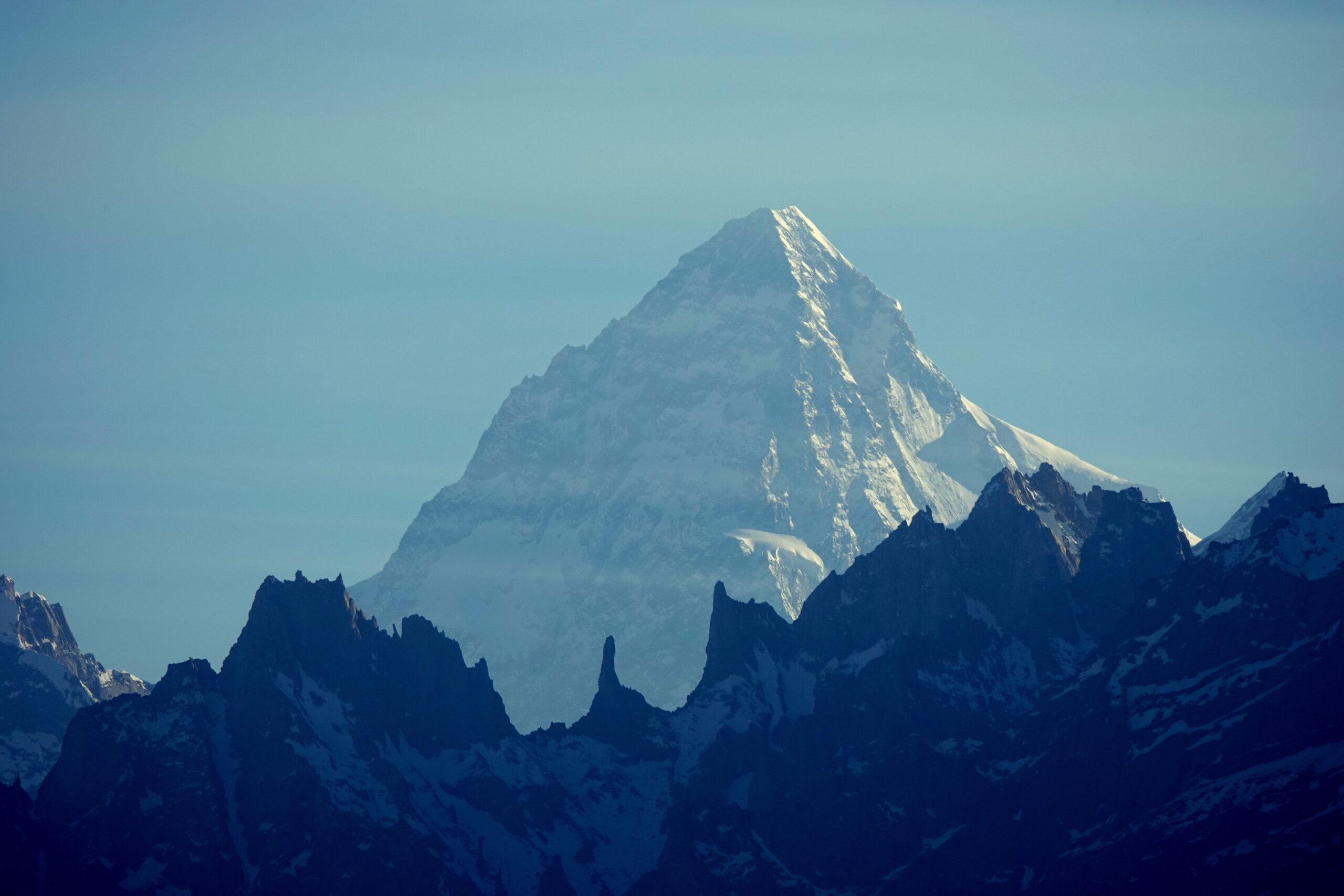
Gulshan-e-Kabir is a village in Ghanche district Baltistan approximately 40 km from Khaplu town.
The history of the region surrounding Gulshan-e-Kabir is both rich and compelling, marked by significant transformations in its identity and cultural landscape. Originally known as Ralta Khonbu, the village was renowned for its lush greenery and fertile fields. However, a devastating flood from the nearby mountains led to the destruction of Ralta Khonbu, leaving the area barren and devoid of vegetation. In response, local villagers began referring to the region as “Phara,” meaning “bald” in the Balti language, in recognition of the devastation. Over time, this name evolved into Pharawa, though it was not a preferred name among the locals. Despite this, both Ralta Khonbu and Pharawa were used interchangeably for some time, with Pharawa eventually becoming the dominant name. It was officially adopted in government records by the Dogra rulers, solidifying its status as the village’s permanent identity.
In 1992, a group of young individuals from Pharawa, residing in Karachi, founded the Anjuman-e-Falah-o-Behbud, a socio-cultural organization aimed at renaming the village. Numerous names were proposed, including the ancient name of Ralta Khonbu. After much deliberation, the group settled on the name Gulshan-e-Ameer-e-Kabir, or simply Gulshan-e-Kabir, in honor of the renowned Islamic saint and missionary, Ameer Kabir Syed Ali Hamadani. This name was chosen to recognize the saint’s pivotal role in converting the local population from Buddhism to Islam. The renaming was met with great enthusiasm and was warmly embraced by the community. Today, the village is known as Gulshan-e-Kabir (The Garden of Ameer Kabir Syed Ali Hamadani A.R.).
Historically, the region was ruled by Raja Ghori Tham, a formidable ruler who governed Baltistan and Ladakh prior to 850 A.D. Under his rule, the Ghori Tham Fort was constructed atop a mountain in Gulshan-e-Kabir. The fort, strategically positioned, played a vital role in defending the region against foreign invasions. Its location, high above the surrounding terrain, allowed for the effective defense of the area, with rocks rolled down the mountain to thwart attackers. The fort’s isolation meant that supplies had to be transported through a secret tunnel from the village below, further enhancing the fort’s strategic importance and security.
Today, Gulshan-e-Kabir stands as a symbol of resilience, spiritual heritage, and historical significance, reflecting the area’s evolution from a lush, thriving village to its current identity as a revered site steeped in history and culture.